%20(13).avif)


.jpg)
Winter in the UK is reliably miserable. Short days, long nights, weather that makes you question why anyone lives here voluntarily. By February, the optimism of January has worn off and spring still feels impossibly far away.
This guide is about getting through it with your mood relatively intact.
First, some clarity. If you're experiencing persistent low mood that's affecting your ability to function, significant sleep disruption, loss of interest in things you normally enjoy, or thoughts of self-harm, that's potentially Seasonal Affective Disorder and you need to speak to your GP. SAD is a clinical condition requiring professional treatment.
This guide is for the more common experience: the winter blues. That general heaviness, lower energy, and mild gloom that shows up when the days get short and cold. It's a real thing and it's worth addressing.
Here are five things that can help.
Quick takeaways
Get Daylight (Especially Morning Light)
Light is the single most important factor in winter mood. Your brain needs it to regulate sleep, suppress melatonin production, and maintain serotonin levels. Winter gives you about eight hours of daylight on a good day, and most people are indoors for six of them.
The timing matters more than you'd think. Morning light is particularly effective because it resets your circadian rhythm and signals to your brain that it's time to be awake and functional. Afternoon light helps too, but morning is when you get the biggest impact.
Practically speaking:
- Have your coffee outside
- Walk before work instead of after
- Hit a few balls at lunch if the weather's decent
- Even ten minutes makes a difference
- Blue skies are optional (overcast daylight is still significantly brighter than indoor lighting)
If you're struggling and daylight alone isn't cutting it, light therapy boxes are worth considering. They're the gold standard treatment for SAD but can help with winter blues too. Ten thousand lux, twenty to thirty minutes in the morning while you're having breakfast or checking emails. Genuinely effective for a lot of people.
{{divider-main="/content-templates"}}
Watch Your Alcohol
Winter drinking creeps up quietly. Darker evenings, colder weather, more time indoors. A pint after your round becomes two. Weekend sessions get longer. The odd Wednesday night drink becomes a regular thing because what else is there to do.
Alcohol is a depressant. It disrupts your sleep architecture, suppresses REM sleep, and leaves you groggier the next day. It also worsens anxiety and low mood, which are already more likely in winter. The temporary mood boost you get from a few drinks is borrowed from tomorrow's emotional budget, and the interest rate is terrible.
This is about keeping an eye on patterns. If you're drinking more than usual, or drinking because you're bored or flat rather than because you actually want to, that's worth noticing.
Practical strategies:
- Have a few alcohol-free days each week
- Alternate alcoholic drinks with water or soft drinks when you're out
- Notice whether your mood or sleep improves when you ease off for a bit
- Small adjustments often make more difference than you'd expect
{{divider-main="/content-templates"}}
Plan Things to Look Forward To
Winter kills motivation and makes everything feel pointless. The solution is creating structure and future events that pull you forward even when you feel flat.
This works because it creates hope, which sounds vague and motivational-poster-ish but is actually a measurable psychological factor in mood regulation. Having things to look forward to gives your brain evidence that the future exists and might contain something worth showing up for.
It also makes it harder to bail when the day arrives. Booking something in advance means you're more likely to follow through than if you're trying to muster enthusiasm on a cold Tuesday morning when staying in feels significantly easier.
Examples:
- Book a tee time for next weekend
- Plan a trip for spring
- Arrange to meet someone in a few weeks
- Put something in the calendar that breaks up the grey sameness of winter weeks
- It can be simple or low-key, just something concrete
{{divider-main="/content-templates"}}
Structure Your Days (Even When You Feel Flat)
Winter days have a tendency to become shapeless. You might wake up in the dark, spend all day indoors, and suddenly it's dark again and you've achieved nothing and feel worse than when you started.
Structure counteracts this. It can be basic scaffolding that stops entire days disappearing into scrolling or staring at walls.
This matters because lack of structure is both a symptom and a cause of low mood. When your days feel shapeless, your mood slides. When your mood slides, maintaining structure gets harder. Breaking that cycle requires deliberately imposing structure even when the motivation is absent.
What this looks like:
- Get up at roughly the same time each day, even on weekends
- Eat meals at consistent times
- Build in a few fixed points (morning walk, lunchtime break, evening routine)
- Create small rituals that mark the passage of time
- It can be modest, just regular rhythms that give your brain something to anchor to
{{divider-main="/content-templates"}}
Check In On Your Mates
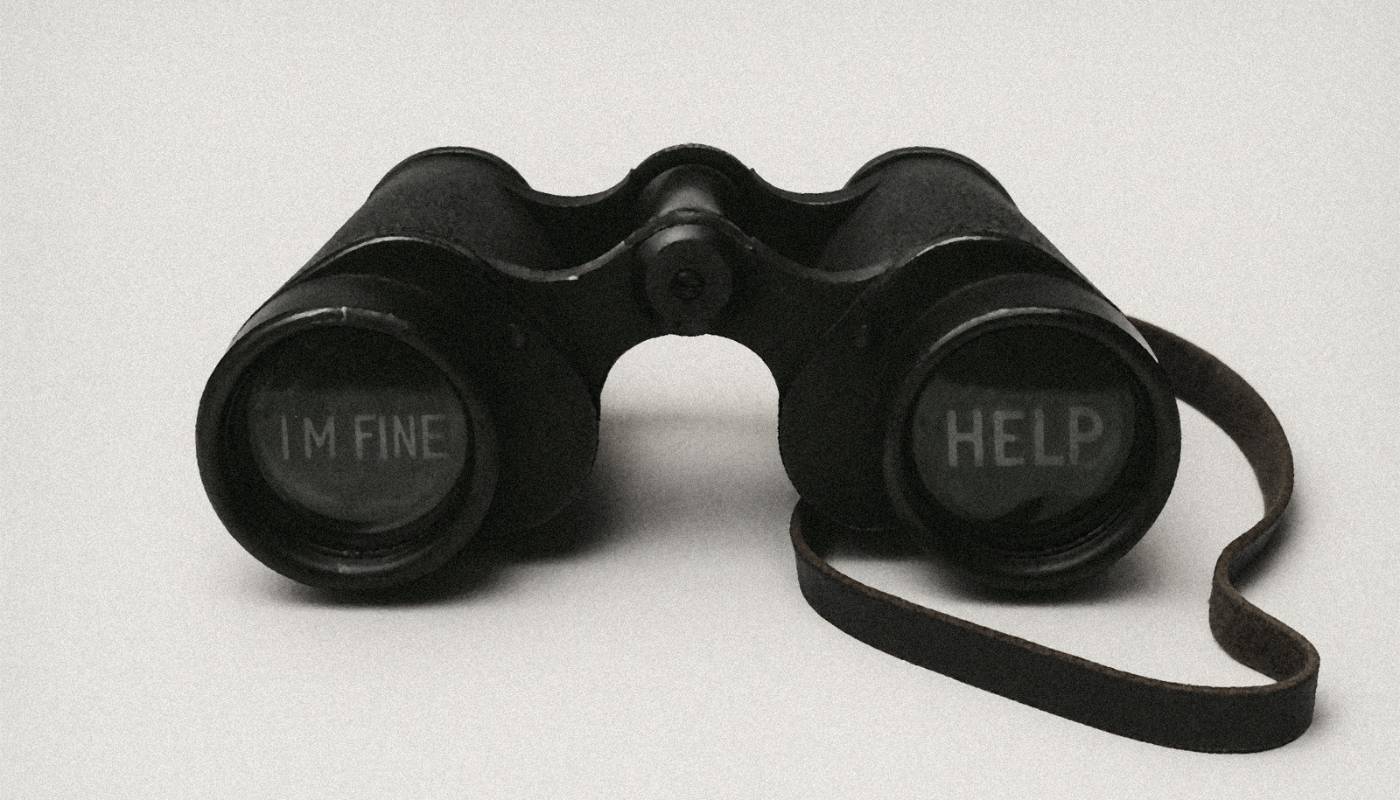
Everyone goes quieter in winter. People stop showing up to regular games, go silent in group chats, decline invites. Sometimes it's just hibernation. Sometimes it's something heavier.
A simple "fancy nine holes Saturday?" or "you alright? Been a while" can matter more than you think. You're being decent. And reaching out to other people improves your own mood as well as theirs, which is one of those weird quirks of how brains work.
Wait for them to reach out first and you might be waiting a while. Assume someone else is checking in and you might assume wrong. Worry about whether you're the right person for the conversation and you'll talk yourself out of it. Just send the message.
Why it matters:
- Worst case, they say they're fine and you've had a conversation with your mate
- Best case, you've thrown someone a lifeline exactly when they needed it
- Winter makes people withdraw
- Sometimes they need a gentle pull back toward connection, and you might be the person who provides it
{{divider-main="/content-templates"}}
The Bigger Picture
Look, you’re still going to have days where it's dark at four o'clock and raining sideways and you can't remember what warmth feels like.
But small, consistent actions compound. Getting daylight most mornings. Keeping an eye on your drinking. Having things in the calendar. Maintaining basic structure. Staying in touch with people. These things will keep you functional and relatively stable until spring finally arrives.
Surviving winter with your mood and sense of humour mostly intact is enough. It's winter. That's a reasonable ambition.
If you have concerns about your mental health or well-being, please speak to a qualified health or mental health professional.





.jpg)






.avif)